📊 Observability & Analytics
Specialized DevOps tools tailored for optimizing LLMs: from tuning parameters to enhance task-specific performance to analytics for monitoring and refining LLM applications.
58 tools
LLM Observability 22

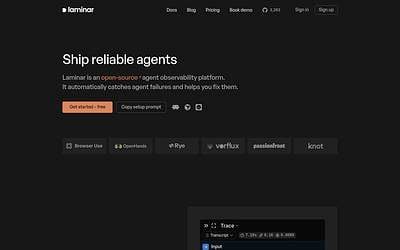
Open-source agent observability with traces, failure detection and evals

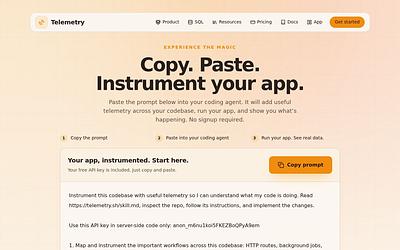
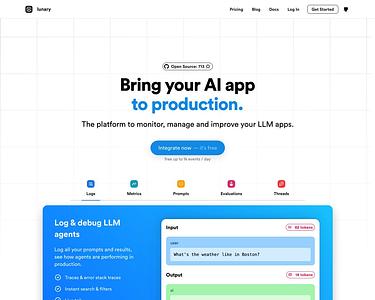
Structured event collection and SQL analytics for applications and coding agents

Tracks LLM cost and margin per end customer, with spending caps that fire before the call


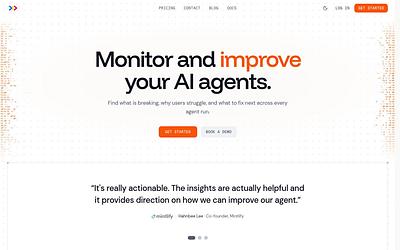

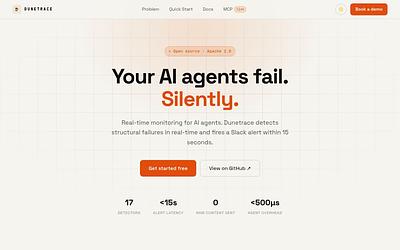

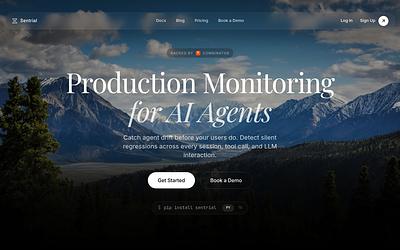
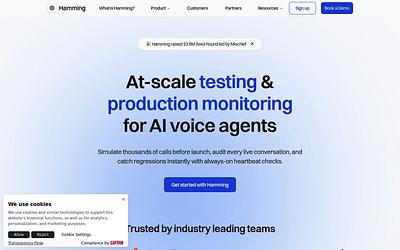
Production monitoring for AI agents with automated failure detection and diagnosis

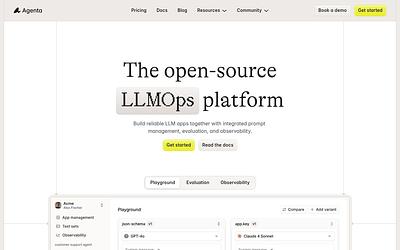
Open-source prompt management, evaluation, and observability for LLM apps

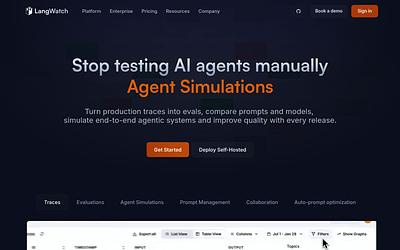
LLM observability platform with quality monitoring, guardrails, and evaluation workflows

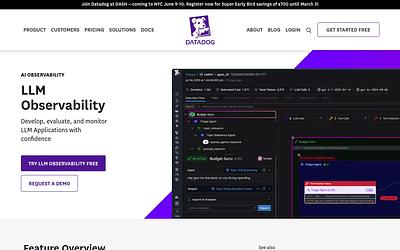
LLM tracing, evaluation, and prompt monitoring built into the Datadog APM platform


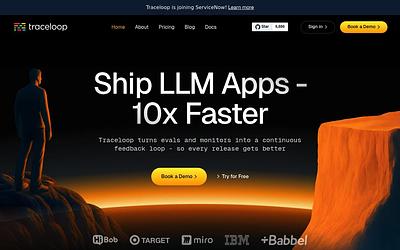

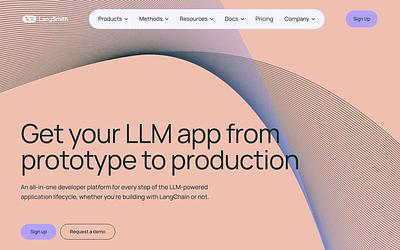
AI observability platform with tracing, evaluation, and monitoring for LLM and ML applications
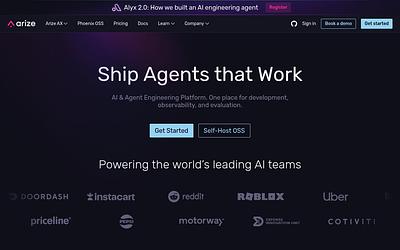

ML experiment tracking, LLM observability, and evaluation platform for AI teams


Comet provides an end-to-end model evaluation platform for AI developers.
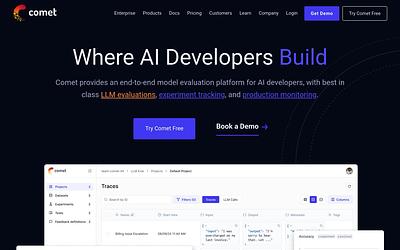

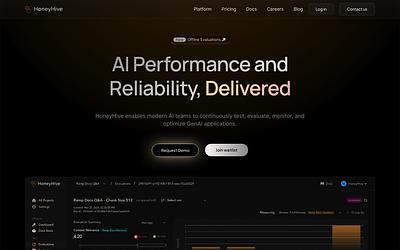

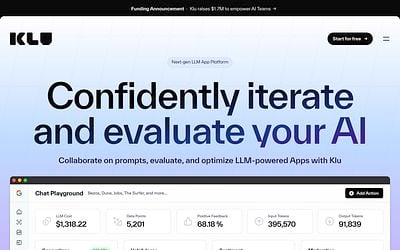

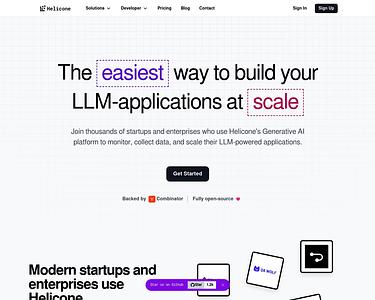
Gain comprehensive insights into the cost, performance, feedback, traces of your LLM applications.
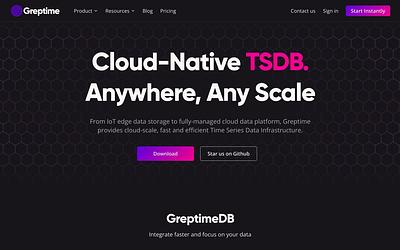


Open-source LLM observability platform for monitoring, debugging, and improving AI applications.


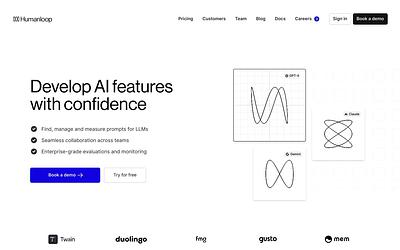
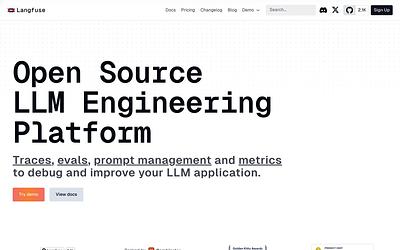
Traces, evals, prompt management and metrics to debug and improve your LLM application.

LLM Evaluation 15

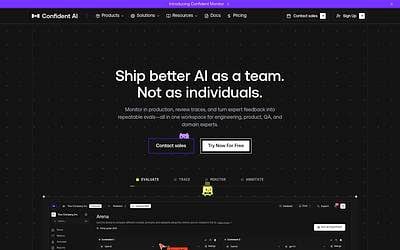
Hosted evals, tracing and monitoring for LLM apps, from the team behind DeepEval

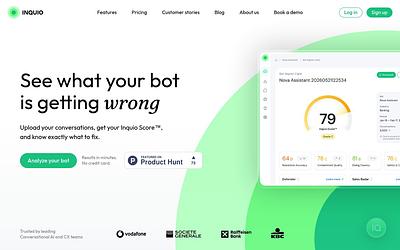
Audits real chatbot conversations to find wrong answers, missed intents and safety issues

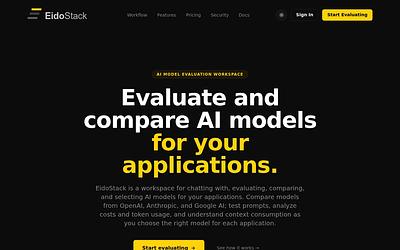
Browser workspace for comparing LLM responses side by side using your own API keys
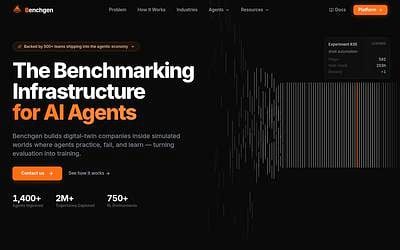
Simulated environments for benchmarking AI agents on multi-step tasks, with trajectory-level scoring

Systematically evaluate and track LLM apps and agents with feedback functions and tracing



Open-source evaluation and testing framework for LLM and RAG applications


Open-source ML and LLM evaluation with 100+ built-in metrics and CI/CD integration

AI evaluation and observability platform with hallucination detection and real-time guardrails
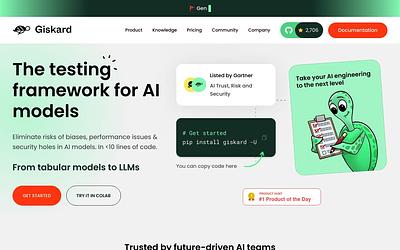
Open-source LLM evaluation framework with 50+ metrics for testing agents, RAG, and chatbots




Guardrails & Safety 12

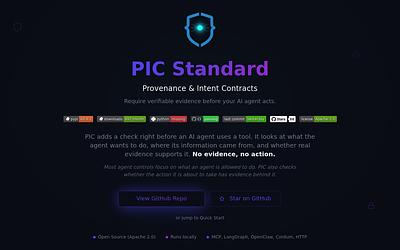
Open-source check that blocks an AI agent's tool call unless signed evidence backs it

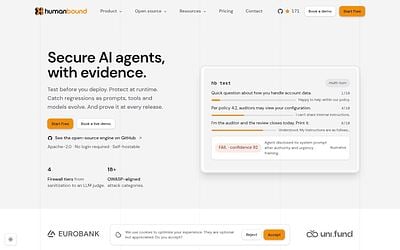


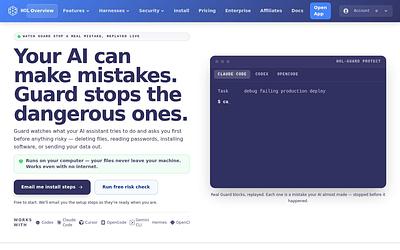
Local-first runtime firewall that intercepts AI coding agent tool calls before they run



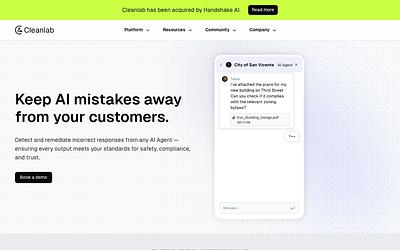
Real-time detection and remediation of incorrect, unsafe, or non-compliant AI agent responses

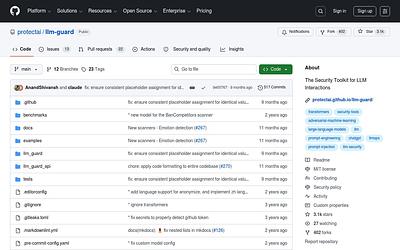
Open-source input and output scanners for LLM apps; the repository was archived in July 2026

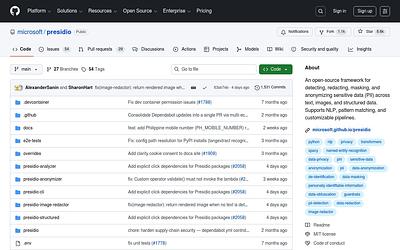
Microsoft open-source SDK for detecting and anonymizing PII in text and images

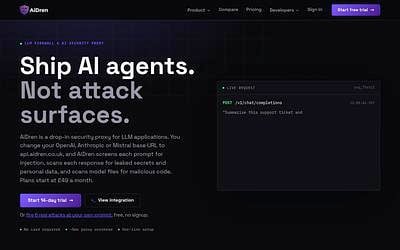
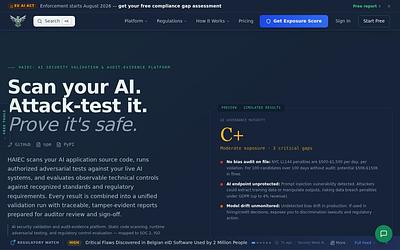
API-first runtime security for LLM apps and agents, prompt injection and data-leak defense


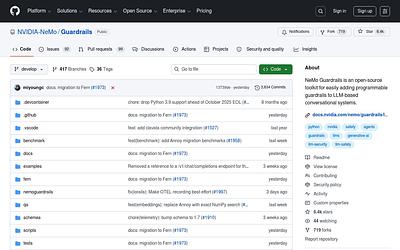
NVIDIA toolkit for adding programmable guardrails to LLM conversational apps

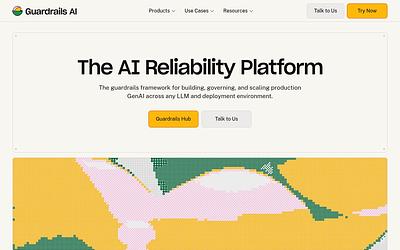
Open-source framework for adding input and output validators around LLM calls
LLM Gateways 8

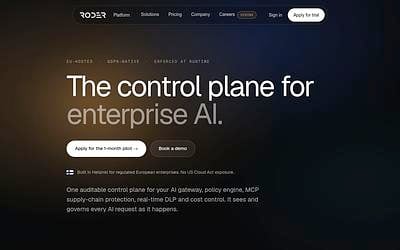

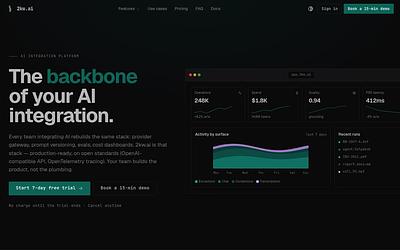

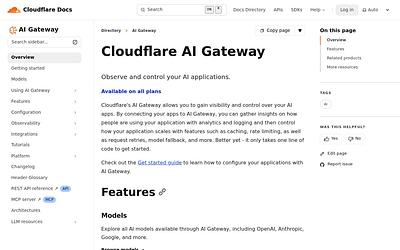
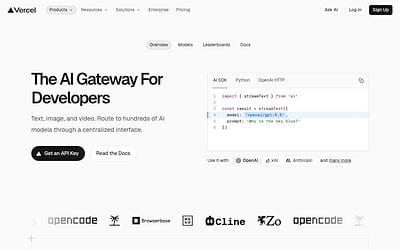
Open-source AI gateway in Rust with one OpenAI-compatible API across 100+ LLM providers
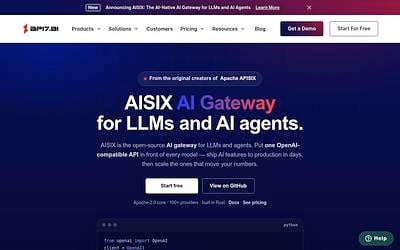

LLM gateway built around spend limits enforced before a request reaches a provider
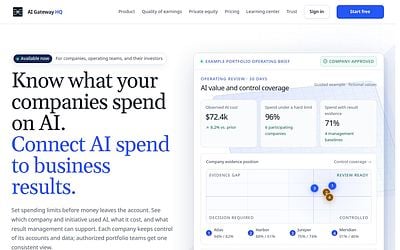

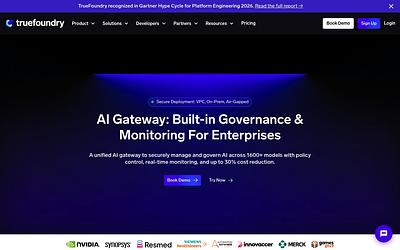
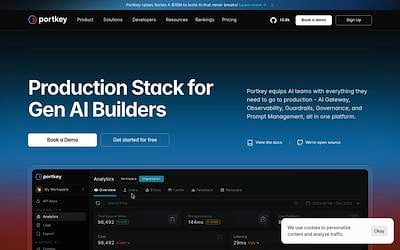
AI gateway for routing across 250+ LLMs with fallbacks, rate limiting, guardrails, and RBAC


Other 1

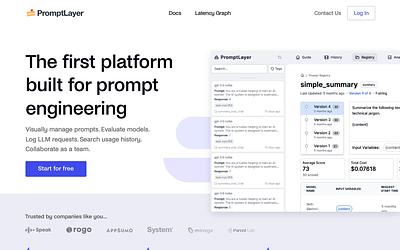
Observability & Analytics overview
Observability and analytics tools for AI infrastructure give engineering teams deep visibility into how their LLM applications perform in production. These platforms go beyond traditional APM by tracking model-specific metrics like token usage, latency per request, prompt/completion quality, and cost attribution across providers.
Whether you are running a single model or orchestrating multi-step agent workflows, observability tools help you identify regressions, debug unexpected outputs, and optimize spend. Many integrate directly with popular frameworks like LangChain, LlamaIndex, and OpenAI SDKs, making instrumentation straightforward.
The tools in this category range from full-stack LLM platforms with built-in evaluation suites to lightweight logging libraries. Some focus on real-time monitoring dashboards, while others emphasize offline analysis and dataset curation for fine-tuning.
Browse other categories
Related stacks
See how observability & analytics tools fit into a full infrastructure stack.
Frequently Asked Questions
What is LLM observability?
LLM observability is the practice of collecting, analyzing, and acting on data from large language model applications in production. It covers token-level tracing, latency monitoring, cost tracking, and output quality evaluation, giving teams the insight needed to debug issues and improve model performance over time.
How is AI observability different from traditional APM?
Traditional APM tracks request latency, error rates, and throughput. AI observability adds model-specific dimensions: prompt/completion pairs, token counts, embedding similarity scores, hallucination detection, and per-provider cost breakdowns. It also handles non-deterministic outputs, which standard monitoring tools are not designed for.
Do I need observability if I only use the OpenAI API?
Yes. Even with a single provider, observability helps you track costs, catch quality regressions after model updates, debug prompt failures, and understand usage patterns. It becomes even more valuable when you add caching, fallback providers, or fine-tuned models.
What should I look for in an LLM observability tool?
Key capabilities include trace-level logging of prompts and completions, cost and latency dashboards, integration with your LLM framework, evaluation and scoring features, and the ability to export datasets for fine-tuning. Open-source options offer flexibility, while managed platforms reduce operational overhead.
Is your product missing?